

If you’ve ever seen a private jet taxi past a commercial aircraft and wondered, “How does this actually work?” you’re not alone.
It is a global network of specialized professionals, advanced technology, and logistics designed to do one thing: optimize time.
If you are an aspiring owner or an industry hopeful, this guide breaks down the “invisible” mechanics of how the sector actually functions.
1. The Definition: It’s Not Just “Private Jets”
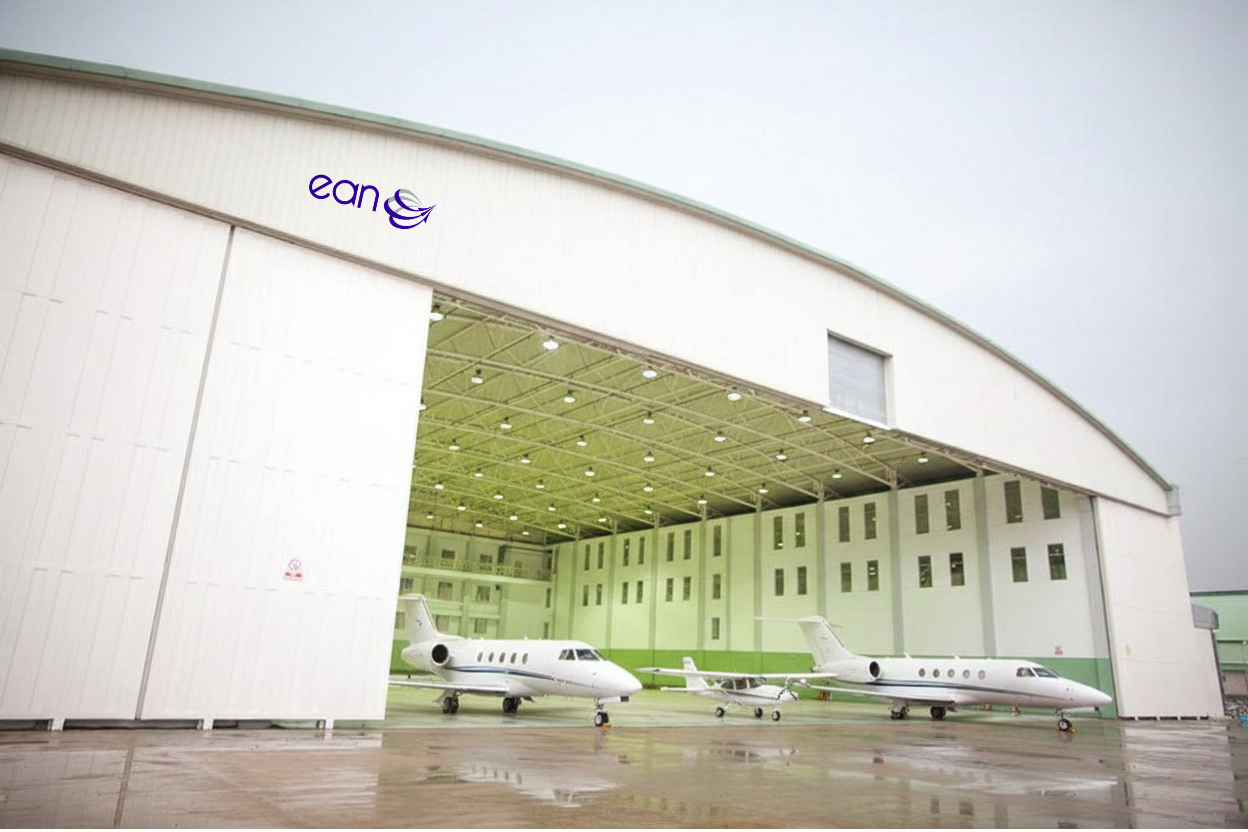
Business aviation (often called “BizAv”) is a subset of general aviation that encompasses the use of aircraft for business or personal travel. While “private jets” get the headlines, the industry includes everything from single-engine pistons and rugged turboprops to long-range intercontinental jets and helicopters configured for luxury.
Unlike commercial airlines, where you follow fixed schedules, business aviation is built around you, which offers the flexibility to fly when and where you want, paired with the premium onboard convenience of a private environment tailored to your journey.
Think of it this way:
Commercial aviation is like taking a bus.
Business aviation is like having your own car or hiring one that moves exactly when you need it.
2. Who Uses Business Aviation?
It’s not just billionaires (though they’re definitely part of the ecosystem).
Business aviation is used by:
- Corporate Executives Managing Tight Schedules
- Governments and diplomatic teams
- High-net-worth individuals (HNIs)
- Entertainment professionals managing complex, multi-site schedules.
- Oil & gas, mining, and infrastructure companies
- Medical evacuation teams (MEDEVAC)
An executive based in Lagos needs to visit Port Harcourt, Accra, and Abuja, all in one day. Commercial flights connectivity makes this nearly impossible. A chartered aircraft makes it seamless.

3. The Business Aviation Cycle: From Purchase to Takeoff
Let’s walk through the full journey; this is where it gets interesting. For an aircraft to fly, an entire ecosystem of service providers must work in perfect synchronization.
A. Aircraft Acquisition (Buying or Leasing)
Owning an aircraft goes far beyond selecting and paying for one, it involves a series of financial, regulatory, and operational decisions.
First, it starts with a decision: Do I buy, lease, or charter?
- Purchase → Long-term ownership
- Lease → Medium-term flexibility
- Charter → Pay per trip
At this stage, factors like travel purpose, aircraft size, range, operating cost and number of passengers.
In addition, for those considering ownership, there are two key models:
- Full ownership, where you own 100% of the aircraft and have complete control over its use
- Fractional ownership, where multiple parties share the cost and access, providing flexibility without full financial commitment
However, acquiring an aircraft is only the first step.
Before it can operate, the aircraft must be:
- Registered with the relevant aviation authority
- Certified as airworthy and compliant with safety regulations
- Issued the required operational approvals or licenses based on usage — for private operations or reward-for-hire (commercial charter) services, such as an Air Operator Certificate (AOC) or Permit for Non-Commercial Flight (PNCF).
- Supported with insurance, crew, and operational structure
This is where experienced operators and advisors (like EAN Aviation) play a critical role. We ensure that beyond acquisition, the aircraft is fully positioned for safe and compliant operations.
As mentioned earlier, owning an aircraft is one thing, while running it is another. Most owners do not want to manage the “headaches” of aviation (hiring pilots, scheduling maintenance, training and compliance). They hire a Management Company to handle the “Technical Mastery” of the asset. This is a massive sector for those interested in logistics and fleet operations.

Aircraft management includes:
- Crew hiring and training
- Aircraft and crew licensing
- Maintenance scheduling
- Regulatory compliance
- Insurance and documentation
An aircraft owner may never directly deal with maintenance logs or crew rotations, a management company handles it all.
C. Maintenance & Safety Checks
Before any aircraft flies, it must be certified as safe by aircraft type-rated engineers.
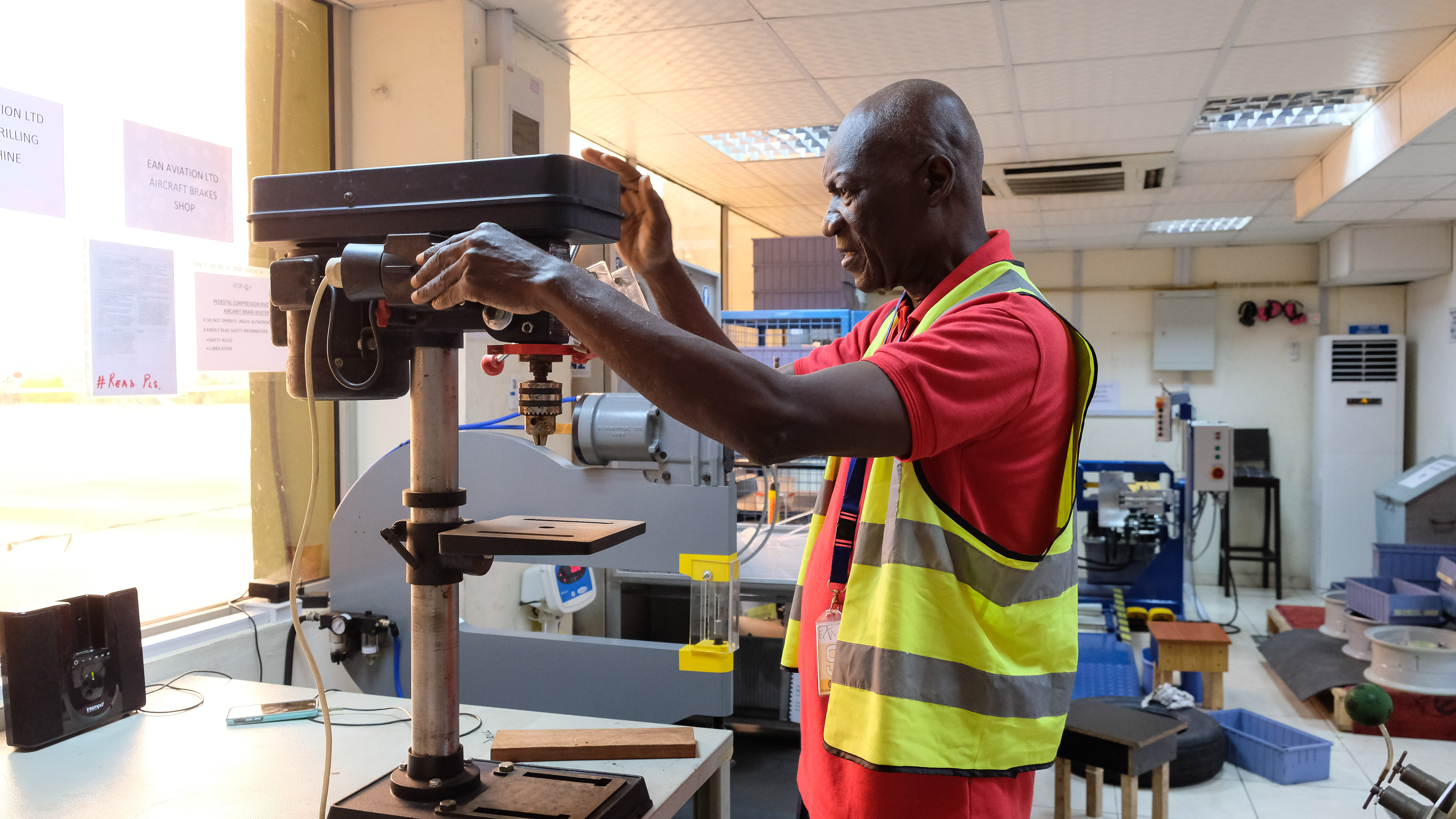
An Approved Maintenance Organisation (AMO) is the technical heart of aviation operations. It is where licensed engineers and technicians maintain, repair, and overhaul aircraft to ensure airworthiness and regulatory compliance. For individuals passionate about aviation engineering, systems, and safety, the AMO represents the ultimate professional environment for technical mastery.
This includes:
- Routine inspections
- Component checks (like wheels, brakes, engines)
- Non-Destructive Testing (NDT) for hidden faults
At EAN Aviation, this is handled through structured maintenance operations designed to ensure reliability and safety at every stage.
D. The FBO (Fixed-Base Operator)
Think of the FBO as a “private terminal.” It is the ground-based hub where aircraft are fueled, parked, and maintained. Before takeoff, everything comes together at the Fixed Base Operator (FBO), where passenger experience, aircraft handling, fueling, parking, maintenance coordination, and flight readiness all come together in one place. Some FBOs, like EAN Aviation, also extends this ecosystem to include office spaces and integrated aviation facilities, creating a complete environment for operators and clients.

Instead of crowded terminals, passengers enjoy:
- VIP treatment in a private lounge
- Fast-track security
- Concierge services
- Inflight catering coordination
At the same time, critical ground and operational activities are executed with precision:
- Aircraft is positioned on the ramp
- Fueling is completed
- Baggage is handled
- Flight plan is coordinated
- Flight permits are secured
- Air traffic clearance is obtained

This is where timing and coordination are crucial, even small delays at this stage can impact the entire operation.
At EAN Aviation, the VIP lounge experience is carefully curated based on client preferences, built from years of understanding passenger needs, while our ground handling and ramp operations ensure every aircraft arrival and departure is smooth, efficient, and on schedule.
4. Why Business Aviation Matters
Business aviation isn’t just about luxury, it’s about efficiency and control.
It allows:
- Faster decision-making
- Access to remote locations
- Increased productivity
- Enhanced privacy and security
For many businesses, it’s not a cost, it’s a strategic advantage.
5. Where EAN Aviation Fits In
At EAN Aviation, business aviation is delivered as an integrated experience, not fragmented services.
From:
- Aircraft acquisition advisory
- Maintenance and technical support
- Ground handling and ramp operations
- VIP lounge and passenger experience
- Facility management and infrastructure
Everything works together to ensure seamless operations from arrival to departure.
Final Thoughts
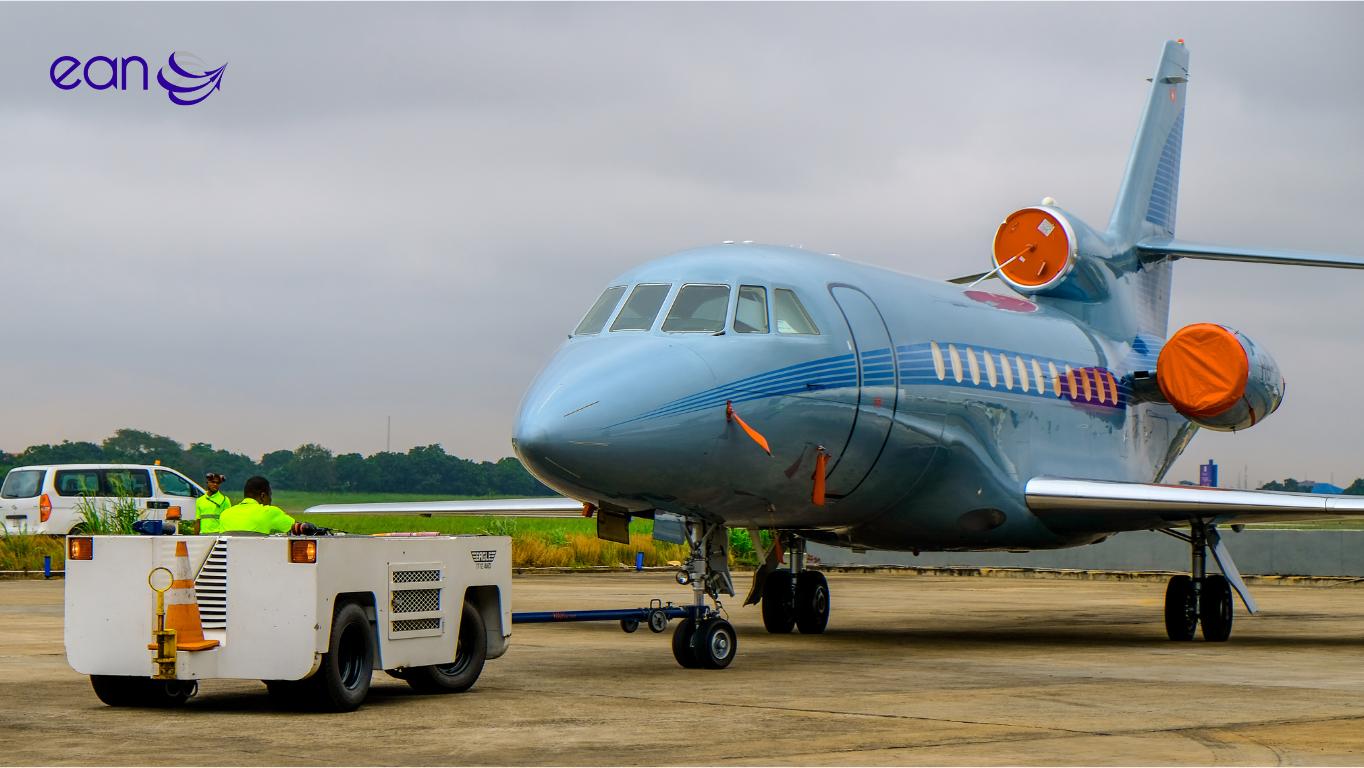
The next time you see a private jet take off, remember, it’s not just a flight.
It’s the result of a carefully orchestrated system designed to deliver precision, efficiency, and trust.
And now, you understand how it all works.
Looking to explore business aviation or understand how it can work for you?
Visit the EAN Aviation website or fill out our enquiry form to discover how we support every stage of your journey, from concept to takeoff.
Frequently Asked Questions (FAQs)
- What is business aviation?
Business aviation refers to private or chartered aircraft used for business or personal travel. - How is business aviation different from commercial aviation?
Commercial aviation follows fixed schedules, while business aviation offers flexibility and customization. - What is an FBO?
An FBO is a private terminal providing services such as fueling, parking, VIP lounges, and ground handling. - Can individuals own aircraft in Nigeria?
Yes, individuals and companies can own aircraft, subject to regulatory approvals and licensing.